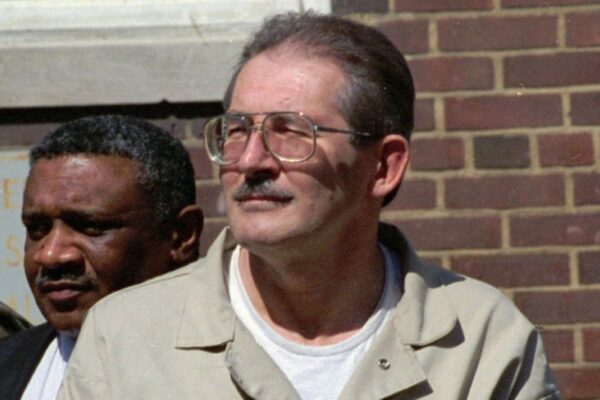
Notorious Cold War Spy, Who Betrayed Dozens of Agents for KGB Cash, Ends Life Behind Bars at 84
Aldrich Hazen Ames, one of the most infamous traitors in U.S. intelligence history, died on January 7, 2026, in federal prison at the age of 84. The former CIA counterintelligence officer betrayed his country for over a decade, compromising more than 100 intelligence operations and leading to the deaths of at least 10 American agents during the final years of the Cold War. His passing at the Federal Medical Center in Butner, North Carolina—where he served a life sentence without parole—closes a dark chapter marked by greed, deception, and profound damage to national security.
From Humble Beginnings to CIA Insider
Born on May 26, 1941, in River Falls, Wisconsin, Ames grew up in a patriotic family; his father, Carleton Ames, worked as a CIA officer in Burma. After earning a bachelor’s degree in history from the University of Chicago in 1960, Ames joined the CIA in 1962 as a records analyst, advancing to case officer roles focused on Soviet targets. By the 1980s, stationed at CIA headquarters in Langley, Virginia, he handled high-stakes operations against the KGB, but personal struggles loomed large. A failed first marriage to fellow CIA officer Nancy Segebarth in 1969, coupled with escalating debts and alcoholism, set the stage for his downfall.
The Fatal Deal with the KGB
In April 1985, drowning in financial woes—exacerbated by his affair and 1985 marriage to Rosario Casas Dupuy, a Colombian embassy employee—Ames walked into the Soviet Embassy in Washington, D.C., offering classified documents for $50,000. This brazen act launched a nine-year espionage spree, netting him over $2.5 million from the KGB and later Russia’s SVR. Ames provided names and details of virtually every U.S. and allied asset inside the Soviet Union, including prized double agents like Lt. Col. Dmitri Polyakov, executed by the KGB in 1988 after Ames’s betrayal. His leaks crippled CIA networks, forcing the agency to pull dozens of officers from the field and costing billions in lost intelligence value.
Red Flags Ignored and Dramatic Arrest
Ames’s opulence raised suspicions: a Jaguar, country club membership, and a $540,000 home bought in cash, all on a $60,000 salary. Yet, his slovenly tradecraft—leaving KGB “dead drops” signals in public view and poor polygraph performances—went unchecked for years amid CIA turmoil post other scandals. A joint CIA-FBI task force finally zeroed in after a 1993 mole hunt, surveilling Ames’s chalk marks on a D.C. mailbox—a classic spy signal. On February 21, 1994, agents arrested him blocks from his Arlington home as he drove to meet his KGB handler; Rosario was nabbed soon after.
Trial, Sentencing, and Lasting Reforms
Ames pleaded guilty in April 1994 to spying and tax charges, cooperating for a lighter sentence for his wife, who received 63 months. Judge Claude Hilton sentenced him to life, stating the betrayal “cut to the heart” of U.S. intelligence. His case exposed systemic flaws, like lax financial audits and overreliance on insider trust, spurring CIA Director James Woolsey to overhaul counterintelligence with polygraph mandates and mole-hunting units. Compared to FBI’s Robert Hanssen—arrested in 2001—Ames’s purely mercenary motives stood out, void of ideology.
Cultural Echoes and Enduring Lessons
Ames’s saga inspired books like
Betrayal: The Story of Aldrich Ames and films, while he occasionally granted interviews from prison, admitting remorse but no deep regret. At 84, his health decline ended a life of isolation; he is survived by his son from his first marriage. For the intelligence community, Ames remains a cautionary tale of vigilance, underscoring how one man’s greed can unravel decades of covert work and lives lost in shadows. His death prompts reflection amid today’s cyber-espionage era, reminding that human betrayal endures as the sharpest threat.