New research from the University of Guelph reveals 205°C (401°F) as the magic number for perfect cookie texture, moisture, and structure higher than most recipes suggest.
Baking cookies seems simple, but science proves oven temperature dramatically affects spread, crispness, and moisture. A recent University of Guelph study modeled cookie baking at 185°C (365°F), 205°C (401°F), and 225°C (437°F), finding 205°C delivers the best balance every time. This “moderate-hot” temp sets the structure without over-drying, explaining why pros often crank up the heat beyond recipe calls for 350°F.
The Science Behind the Perfect Temp
Oven heat triggers key reactions: fats melt, sugars caramelize, proteins set, and moisture evaporates. At lower temps like 185°C, cookies spread slowly over 12 minutes, staying moist but potentially pale and cakey. Higher 225°C causes rapid spread (peaking at 4 minutes), then quick drying for crisp edges but dry centers.
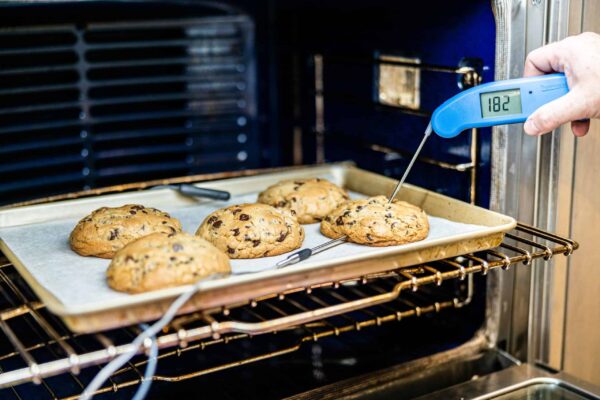
The sweet spot? 205°C. Cookies peak spread at 6 minutes, then gently firm up, retaining optimal moisture while developing golden edges and chewy interiors. This aligns with physics: moderate heat promotes even gelatinization of starches and Maillard browning without excessive water loss. Home ovens vary ±25°F, so use a thermometer for precision.
Why Recipes Lag Behind Science
Most chocolate chip recipes say 350-375°F (177-190°C) for 8-12 minutes, yielding reliable but not elite results. Bakers tweak higher (375-400°F) for thicker, chewier cookies with crisp bases now validated by lab data. Commercial ops favor efficiency; 205°C cuts time while boosting quality.
Experiment at Home: Step-by-Step
Test the science yourself with one dough recipe across temps.
Ingredients (Classic Chocolate Chip, 24 cookies)
- 2¼ cups flour
- 1 tsp baking soda
- 1 tsp salt
- 1 cup butter (softened)
- ¾ cup brown sugar
- ¾ cup white sugar
- 1 tsp vanilla
- 2 eggs
- 2 cups chocolate chips
Method
- Preheat oven to 205°C (401°F); line sheets with parchment. (Lower rack for even heat.)
- Cream butter and sugars 2-3 minutes until light. Add eggs/vanilla.
- Mix dry ingredients; fold in. Scoop 2-tbsp balls, 2 inches apart.
- Bake 9-11 minutes: edges golden, centers soft. Cool on sheet 5 minutes they firm as they set.
- Repeat at 185°C (12-14 min) and 225°C (7-9 min) for comparison.
Pro Tip: Cool dough balls 10 minutes pre-bake to control spread. Shorter bakes preserve chew.
Texture Tweaks by Desired Cookie
- Chewy Center: 205°C for 10 minutes retains moisture like lab ideals.
- Crisp All-Over: 225°C, thin dough.
- Cake-Like: 185°C longer.
- Adjust time over temp for doneness; rotate trays midway.
Common Pitfalls and Fixes
- Oven Hotspots: Thermometer essential; preheat 20+ minutes.
- Flat Cookies: Too-warm dough or low heat chill batter, go hotter.
- Dry Results: Overbake; pull at edges set.
- Energy Savings: Higher temp shortens cycles vs. low-and-slow.
Beyond Cookies: Broader Baking Insights
This principle applies to brownies (190-205°C for fudgy) and cakes (moderate for even rise). Science demystifies baking: heat drives evaporation rate, dictating final structure. Veteran bakers (405°F fans) echo the findings anecdotally.
Next bake, dial to 205°C you’ll get thicker, moister, more flavorful cookies that wow. Science says so, and your taste buds will agree. Experiment, note results, and bake better every time.