
Discover the botanical secrets, cultural legacy, economic powerhouse, and environmental role of palms powering billions, with a spotlight on East Africa’s rising stars.
Palm trees stand as iconic symbols of tropical paradises, swaying gracefully against sun-drenched skies from beaches in the Caribbean to savannas in East Africa. Belonging to the Arecaceae family, these evergreens encompass over 2,600 species worldwide, thriving in warm climates across 250 genera. Far more than scenic backdrops, palm trees sustain ecosystems, economies, and cultures—providing food, shelter, fuel, and even medicine. In Uganda and Rwanda, where they dot rural landscapes and urban gardens, palms embody resilience amid changing climates.
This article dives deep into the palm tree’s biology, historical significance, global uses, environmental role, and future challenges, revealing why this “tree of life” remains indispensable.
Botanical Marvels: Anatomy and Diversity
At first glance, palm trees defy traditional tree definitions. Unlike woody oaks or pines, they feature a single unbranched trunk topped by a crown of large, feather-like (pinnate) or fan-shaped (palmate) leaves. Their trunks, often covered in fibrous sheaths or scales, grow from a root system that spreads horizontally rather than deep into the soil, making them drought-tolerant yet vulnerable to strong winds.
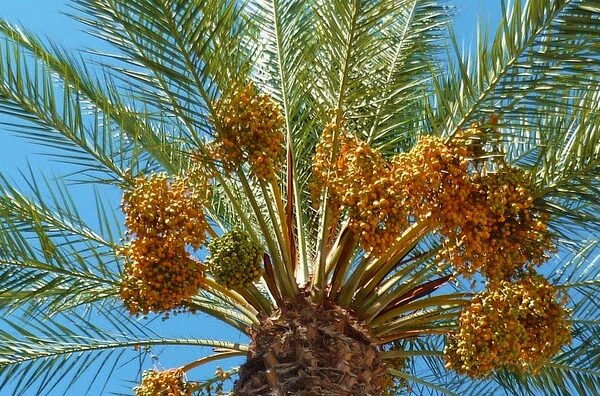
Palms exhibit astonishing diversity. The coconut palm (Cocos nucifera), ubiquitous in coastal Uganda, produces the versatile coconut. Date palms (Phoenix dactylifera) yield sweet fruits vital in Middle Eastern and North African diets. Africa’s oil palm (Elaeis guineensis), native to West and Central regions but cultivated eastward, powers a multi-billion-dollar industry. Shorter species like the Areca nut palm reach just 10-15 meters, while giants like the Chilean wine palm (Jubaea chilensis) exceed 30 meters.
Reproduction fascinates: most palms are monoecious, bearing separate male and female flowers on the same plant. Pollinators like bees and wind ensure seed dispersal via colorful drupes eaten by birds and mammals.
A Storied Past: From Ancient Civilizations to Colonial Trade
Humans have revered palms for millennia. Ancient Egyptians etched date palms into tombs 5,000 years ago, viewing them as symbols of fertility due to their phallic trunks and abundant fruit. In Mesopotamia, cuneiform tablets detail palm wine production. Biblical references abound, from Psalms praising “the righteous who flourish like the palm tree” to Jericho’s ancient date groves.
In Africa, palms fueled early economies. The oil palm, domesticated in West Africa over 5,000 years ago, became a staple for soap, food, and lamps. Arab traders spread date palms across the Sahara. European colonizers amplified this: Portuguese explorers introduced coconut palms to East Africa in the 16th century, while British plantations in Uganda boosted oil palm exports.
Today, archaeological digs in Rwanda’s volcanic soils uncover fossilized palm pollen, hinting at prehistoric abundance that shaped early Bantu migrations.
Everyday Wonders: Uses That Sustain Billions
No plant matches the palm’s utility—nearly every part serves humanity.
- Food and Drink: Coconuts provide water, milk, oil, and flesh; dates offer natural sugars; palm hearts are delicacies. In East Africa, saba nuts from the talipot palm feed communities.
- Oil Powerhouse: Palm oil from Elaeis guineensis dominates global supply (35% of vegetable oils), used in 50% of supermarket products like chocolate, soap, and biofuels. Uganda’s nascent plantations aim to rival Indonesia’s output.
- Fiber and Construction: Fronds weave roofs, mats, and baskets (as in Ugandan markets). Coir from coconut husks makes ropes and mattresses; trunks build huts.
- Medicine and More: Palm sap ferments into toddy wine; leaves treat wounds in traditional herbalism. Betel nuts from Areca palms stimulate in Asian cultures.
Economically, palms generate $50 billion annually worldwide, employing millions in processing.
Guardians of Ecosystems in a Warming World
Palms anchor biodiversity hotspots. In Uganda’s Lake Victoria basin, they stabilize soils against erosion, host epiphytes, and shelter monkeys and birds. Mangrove palms protect coastlines from storms, sequestering carbon effectively—vital as sea levels rise.
Yet threats loom: deforestation for palm oil razes rainforests, sparking habitat loss for orangutans and tigers. In Africa, illegal logging and climate shifts (drier spells) endanger species. Sustainable certification like RSPO helps, but demand surges. Palm Tree Benefits Environmental Impact Economic Value (Global Annual) Soil stabilization High carbon sequestration $50B+ from oil and products Biodiversity habitat Coastal protection Employs 10M+ in tropics Drought resistance Erosion control Key export for Uganda/Rwanda
Cultural Icons and Modern Innovations
Palms transcend utility into symbolism. In Rastafarian Jamaica, they represent peace; Polynesian tattoos honor coconut palms. Uganda’s Baganda people use them in ceremonies, while Rwanda’s Imigongo art depicts fan palms.
Innovation thrives: genetically modified oil palms boost yields sustainably. “Palm leather” from leaves rivals plastic. In Kampala, urban farms grow dwarf palms for vertical greening.
Challenges Ahead: Balancing Boom and Preservation
Habitat loss and monoculture plantations risk biodiversity collapse. Pests like the red palm weevil ravage stands. Solutions include agroforestry—intercropping palms with coffee in East Africa—and consumer shifts to ethical sourcing.
As climate change intensifies, resilient palms like the doum palm (Hyphaene thebaica) offer hope for arid futures.
Palm trees remind us of nature’s generosity. From Uganda’s fertile plains to global tables, they weave life’s fabric. Protecting them ensures prosperity for generations.

