
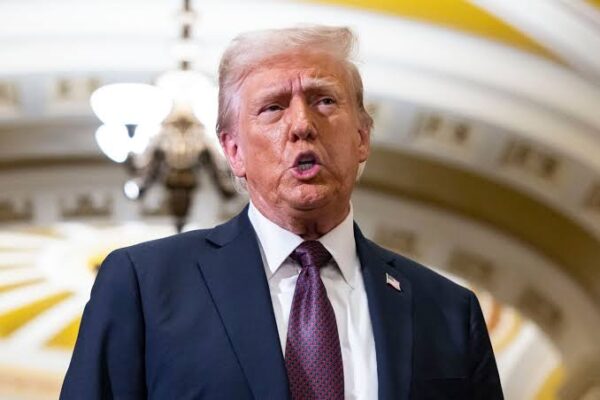
President pushes affordability relief and Arctic dominance to challenge rivals amid inflation woes.
President Donald Trump has reignited economic debates by proposing a one-year cap on credit card interest rates at 10%, starting January 20, 2026, while simultaneously expressing renewed interest in US ownership of Greenland to bolster strategic defenses against Russia and China.
Background on the Credit Card Proposal
Trump made the announcement via Truth Social, lambasting current rates that often exceed 20-30% as exploitative and a legacy of the Biden era’s economic policies. He framed the cap as immediate relief for millions of Americans grappling with high borrowing costs amid persistent inflation, which has driven household debt to record levels. The proposal targets major issuers like Visa, Mastercard, and banks such as JPMorgan Chase and Citigroup, urging voluntary compliance but hinting at potential executive orders or regulatory pressure through agencies like the Consumer Financial Protection Bureau.
This move aligns with Trump’s broader affordability agenda, including recent directives to ramp up mortgage bond purchases aimed at slashing home loan rates. Supporters, including some bipartisan lawmakers, hail it as a populist win that could save consumers billions—potentially $50-100 billion annually based on outstanding credit card balances exceeding $1 trillion. However, details on enforcement remain vague, raising questions about feasibility without congressional approval.
Industry and Expert Reactions
Financial institutions have pushed back, warning that a rigid cap could force them to tighten lending criteria, reducing credit access for subprime borrowers who rely on cards for essentials. The American Bankers Association noted that rates reflect risk, with defaults already climbing due to economic headwinds. Consumer advocates, conversely, applaud the idea, pointing to historical precedents like the 2009 CARD Act, which curbed some fees but left rates unchecked. Comedians and social media influencers have amplified the buzz, with viral clips jokingly urging Trump to “do it” for everyday Americans.
Economists are divided: some predict short-term relief boosting spending, while others foresee long-term risks like higher fees elsewhere or a credit crunch. Federal Reserve data shows average rates at 21.5% in late 2025, so a drop to 10% would mark the lowest in decades, rivaling secured loan levels.
Greenland Acquisition Push
In tandem, Trump voiced strategic ambitions for Greenland, the vast Arctic island rich in rare earth minerals and key to military positioning. He argued US control would counter Russia’s militarized northern fleet and China’s expanding infrastructure investments, including potential deep-water ports. This echoes his 2019 bid, dismissed by Denmark as absurd, but current tensions—such as Russia’s hypersonic missile tests and China’s Belt and Road overtures—lend urgency. Trump suggested negotiations could involve economic aid or defense guarantees, though Greenland’s autonomy under Denmark complicates matters.
Danish officials reiterated rejection, but analysts note shifting geopolitics might reopen talks, especially with NATO allies wary of Arctic vulnerabilities.
Broader Implications
The dual announcements underscore Trump’s aggressive economic nationalism, blending consumer protection with great-power competition. For credit cards, success hinges on issuer buy-in; failure could tarnish his image ahead of midterms. On Greenland, it signals renewed focus on resources critical for tech and defense amid US-China decoupling. Together, these positions energize his base while testing relations with Wall Street and allies, in a policy landscape still reverberating from his 2025 inauguration.
Historical Context
Trump’s rate cap idea draws from global models like the UK’s 2006 cap at 48% and Australia’s fee-based limits, though US free-market traditions pose hurdles. His Greenland fixation ties to Cold War-era bases like Thule Air Base, vital for missile warning. Past rollbacks, such as easing Biden’s junk fee rules, add irony, highlighting his pivot toward voter-friendly interventions.


