Karma Chameleon: Culture Club’s Iconic Hit and Its Enduring Enigma
Stay connected via Google News
Follow us for the latest travel updates and guides.

A Colorful Anthem of Change, Controversy, and Chart-Topping Triumph
Karma Chameleon stands as Culture Club’s defining anthem, blending catchy pop hooks with deeper themes of hypocrisy and transformation. Released in 1983, it topped charts worldwide despite internal band tensions.
Band Origins and Rise
Culture Club burst onto the scene in the early 1980s, led by the flamboyant Boy George, whose androgynous style and soulful voice challenged norms amid rampant homophobia. Formed in London, the group mixed new wave, soul, reggae, and pop, drawing influences from blue-eyed soul artists like Lionel Richie. Their debut hit “Do You Really Want to Hurt Me” in 1982 paved the way, reaching No. 1 in the UK and No. 2 in the US, turning them into global stars fueled by MTV’s embrace of their visual flair.
By 1983, with the album Colour By Numbers, Culture Club was at its peak, selling millions and symbolizing fluidity for marginalized communities. Boy George aimed to bridge white rock and black soul, representing “all peoples and minorities.” The band’s success mirrored Beatlemania-level fandom, though personal dramas, including George’s secret romance with bassist Mikey Craig, added layers to their story.
The Song’s Creation Drama
Boy George fought to include “Karma Chameleon” on Colour By Numbers, as bandmates like guitarist Roy Hay disliked its poppy shift from their edgier new wave roots. George defended it fiercely, even betting it would hit No. 1 Roy lost that wager. Produced by Steve Levine, the track features lush synths, a bouncy rhythm, and George’s soaring vocals, with contributions from all members plus Phil Pickett.
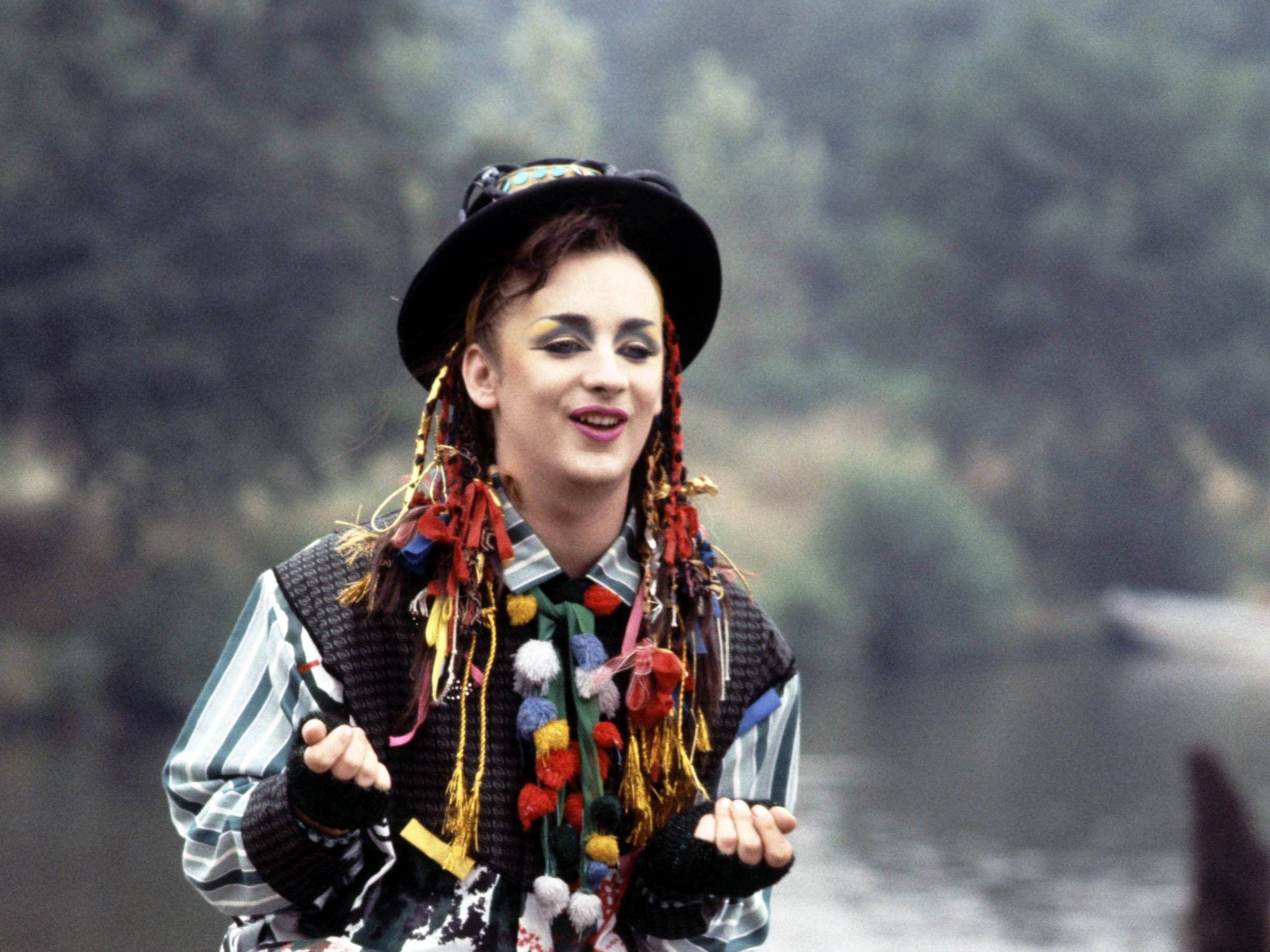
Despite doubts, it became their biggest hit, topping the Billboard Hot 100 for three weeks and the UK Singles Chart for six. The iconic video, shot on London’s River Thames with a colorful boat and chameleon costumes, amplified its MTV dominance. Colour By Numbers went quadruple platinum, earning Culture Club the 1984 Grammy for Best New Artist George quipped, “America, you’ve got taste, style, and you know a good drag queen when you see one.”
Lyrics and Hidden Meaning
At surface level, “Karma Chameleon” is a vibrant earworm about a shape-shifting lover: “You’re a man without a heart,” with its whistling hook and “USA for Africa”-esque optimism. Deeper, Boy George revealed it critiques hypocrisy and the fear of alienation”the terrible fear of standing up for one thing… sucking up to everybody.” The chameleon symbolizes inauthenticity, reflecting George’s experiences with fickle fame and personal betrayals.
This subtext tied into Culture Club’s ethos of defying odds, especially amid scrutiny over George’s sexuality. Post-Grammy backlash highlighted tensions, yet the song’s frippery masked profound frustration.
Commercial Peak and Band Fallout
“Karma Chameleon” sold over 7 million copies, a karaoke staple and ’80s dance-floor fixture, heard everywhere from grocery stores to bar mitzvahs. It propelled Culture Club to six Top 10 US hits between 1982-1984. However, guitarist Roy Hay later lamented it “killed their credibility,” viewing it as too mainstream for their post-punk ambitions.
The band imploded by 1986 amid George’s heroin arrest and volatile relationships. A 2025 documentary, Boy George & Culture Club, revisited these rifts, with members expressing mixed feelingspride in its legacy, regret over its pop sheen.
Cultural Impact and Legacy
The song endures as ’80s pop royalty, symbolizing joyful escapism while subtly confronting change and karma. Its success showcased how Culture Club weaponized difference against prejudice, influencing queer visibility in music. Revived in playlists and covers, it remains a live staple during their 2010s reunion tours.
Recent reflections, like 2025 Tribeca Festival screenings, underscore its role in their love story and defiance. Though divisive internally, “Karma Chameleon” cements Culture Club’s place in pop history.
Stay connected via Google News
Follow us for the latest travel updates and guides.