
⬤ Watch 🎧Listen
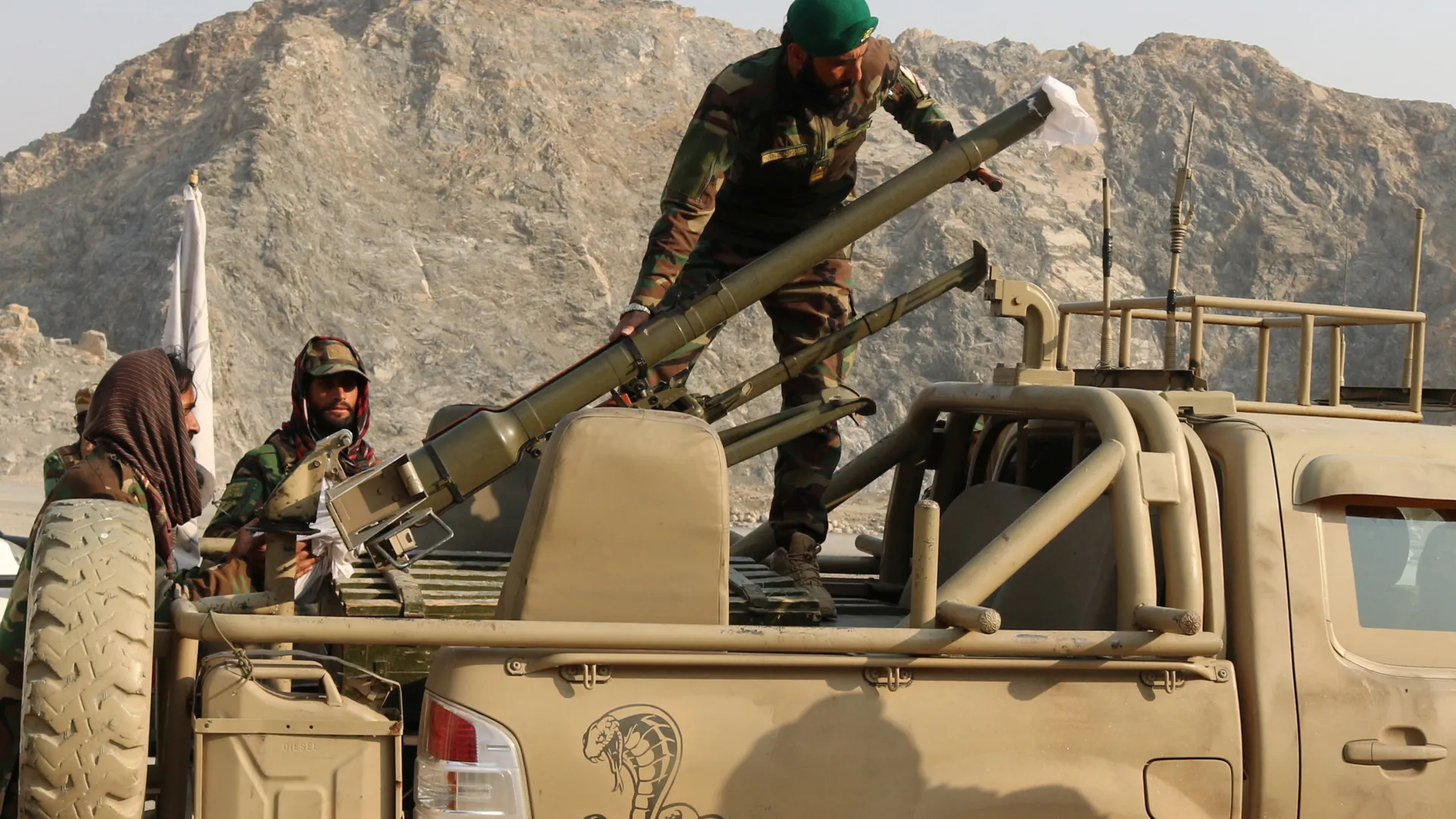
Pakistan Defence Minister Declares ‘Open War’ with Afghanistan After Deadly Cross-Border Strikes

Escalating tensions on the Durand Line push South Asia to the brink as Pakistan vows retaliation amid Taliban denials and rising casualties.
The Spark: Deadly Strikes Ignite Fury
Pakistan’s Defence Minister Khawaja Asif stunned the world on February 26, 2026, by declaring that his country is now in an “open war” with Afghanistan. Speaking to a packed press conference in Islamabad, Asif pointed to a series of cross-border strikes launched by Pakistani forces into Afghanistan’s Kunar and Khyber provinces. These operations, codenamed “Operation Swift Retort,” targeted alleged Taliban hideouts responsible for a spate of attacks on Pakistani soil.
The immediate trigger? A suicide bombing in North Waziristan on February 24 that killed 22 Pakistani soldiers and wounded dozens more. Islamabad attributes the blast and a string of similar incidents to the Tehrik-i-Taliban Pakistan (TTP), a militant group that has found safe haven across the porous Durand Line border. “We are not dealing with shadows anymore,” Asif thundered. “Afghanistan’s Taliban regime is harboring terrorists who slaughter our troops. This is open war, and Pakistan will defend itself by any means necessary.”
Eyewitness reports from the border areas describe chaos: Pakistani jets and drones raining precision strikes on mountain villages, with Afghan officials claiming civilian casualties numbering over 40, including women and children. Kabul has vehemently denied sheltering TTP fighters, calling the strikes “unprovoked aggression” and vowing to respond in kind.
Historical Flashpoint: The Enduring Durand Line Dispute
To understand this escalation, one must revisit the fractured history of the 2,640-kilometer Durand Line, drawn in 1893 by British colonial rulers to separate British India (now Pakistan) from Afghanistan. Neither Kabul nor its tribal leaders accepted the boundary, viewing it as an artificial divider slicing through Pashtun ethnic heartlands. Fast-forward to today: the line remains a tinderbox, fueling insurgencies on both sides.
Post-2021, when the Taliban swept back into power in Kabul, hopes for stability faded. The TTP, once decimated by Pakistani military campaigns, regrouped in Afghanistan. UN reports estimate TTP strength at 6,000-7,000 fighters, launching over 1,200 attacks in Pakistan last year alone more than double 2024’s tally. Pakistan accuses the Haqqani network, a Taliban faction, of providing logistics and training. Afghanistan counters that Pakistan’s Inter-Services Intelligence (ISI) stirs unrest to destabilize its neighbor.
Recent incidents paint a grim picture:
- January 2026: TTP ambush in Bajaur kills 14 Pakistani troops.
- February 10: Rocket fire from Afghanistan hits a school in Khyber Pakhtunkhwa, injuring 20 children.
- February 24: The North Waziristan bombing, using smuggled explosives traced to Afghan markets.
These aren’t isolated; they’re part of a pattern Islamabad says demands a “kinetic response.”
Asif’s Bold Declaration: Rhetoric or Reality?
Khawaja Asif, a veteran politician and close ally of Prime Minister Shehbaz Sharif, isn’t known for hyperbole. His words carry weight in a nation battle-hardened by decades of militancy. “Diplomacy has failed,” he said. “The Taliban promised to curb TTP during talks in Doha, but they’ve done nothing. Our strikes eliminate threats at the source.”
Pakistan’s military followed up with ground incursions, sealing border crossings and deploying additional brigades. Satellite imagery from Maxar Technologies shows fresh craters in Taliban strongholds near Bajaur, with smoke rising from destroyed compounds. Yet, Asif stopped short of full invasion, emphasizing “defensive operations” to avoid broader war.
Critics at home worry about overreach. Opposition leader Imran Khan, from his Adiala Jail cell, tweeted (via aides): “This adventurism risks nuclear escalation. Dialogue, not bombs.” Economists highlight the cost: Pakistan’s already strained budget, hit by 2025 floods and IMF austerity, now diverts billions to defense.
Afghanistan’s Response: Taliban Mobilization
In Kabul, Taliban spokesman Zabihullah Mujahid labeled the strikes “barbaric” and accused Pakistan of “Zionist-style aggression.” Supreme Leader Hibatullah Akhundzada ordered reinforcements to the border, including elite Badri Corps units. Afghan sources report artillery duels along the line, with stray shells landing in Pakistani villages.
The Taliban’s dilemma is acute. Internally fractured, they face ISIS-Khorasan rivals and a crippling economy under sanctions. Admitting TTP ties would alienate global patrons like China and Russia, who seek stability for Belt and Road projects. Yet, ignoring Pakistan invites domestic backlash from Pashtun nationalists.
Regional powers are watching warily. India, Pakistan’s rival, has stayed neutral but bolstered its western border. China, with $62 billion invested in the China-Pakistan Economic Corridor (CPEC), urged restraint via state media. The U.S., disengaged post-Afghanistan withdrawal, issued a vague call for “de-escalation.”
Broader Implications: A Region on Edge
This “open war” rhetoric risks spiraling into proxy conflict. Pakistan’s arsenal 200+ nuclear warheads looms large, though neither side seeks Armageddon. Economically, border closures cripple trade: $2.5 billion annually in informal commerce grinds to halt, spiking food prices in both nations.
Humanitarian fallout mounts. The UN refugee agency warns of 500,000 potential displacements, echoing the 2022 exodus. Aid groups like Médecins Sans Frontières report overwhelmed clinics treating shrapnel wounds.
For global security, TTP resurgence threatens CPEC and spills into Central Asia. Analysts like Michael Kugelman of the Wilson Center predict stalemate: “Pakistan can strike but not occupy; Taliban can harass but not invade.”
Pathways to Peace or Perpetual Conflict?
De-escalation hinges on backchannel talks, possibly mediated by Saudi Arabia or Turkey. Past truces, like the 2022 Afghanistan-Pakistan Action Plan, faltered on trust deficits. Asif hinted at “robust diplomacy” post-strikes, but skepticism reigns.
As drones hum over the Hindu Kush, South Asia braces. Will this be the flashpoint ending the Taliban’s honeymoon, or just another chapter in enduring enmity?


