
⬤ Watch 🎧Listen
Trump Wanted India off Russian Oil. His War with Iran Is Now Undermining That Goal

As U.S. strikes disrupt Middle East oil flows through the Strait of Hormuz, India turns back to discounted Russian crude despite Trump’s earlier sanctions and tariffs.
Trump’s Push Against Russian Oil
President Donald Trump, reelected in 2024 and now in his second term, prioritized curbing Russia’s war funding by targeting its oil exports. In October 2025, Trump announced that Indian Prime Minister Narendra Modi pledged to stop buying Russian oil, following U.S. tariffs on Indian exports aimed at deterring such purchases. This came amid U.S. and EU sanctions post-Russia’s 2022 Ukraine invasion, with India and China as top buyers of discounted Russian crude.
Trump backed bipartisan legislation in January 2026 to impose up to 500% tariffs on countries like India buying Russian energy, giving him leverage over nations funding Moscow’s military. By late 2025, Russia’s share in India’s imports hovered around 35-36%, but U.S. pressure led to a dip, with Saudi Arabia regaining ground as top supplier by February 2026.
India, importing 90% of its oil, faced refinery sanctions and shifted sourcing to OPEC and the U.S., reducing Russian volumes to their lowest since mid-2025. Trump’s strategy sought to starve Russia’s revenues and push Ukraine peace talks.
Escalation to War with Iran
Tensions with Iran boiled over in late February 2026, when U.S. and Israeli strikes killed Supreme Leader Ali Khamenei and top officials, aiming for regime change without ground troops. Trump justified the “Operation Epic Fury” by citing Iran’s nuclear ambitions, proxy support for Hamas and Hezbollah, and threats to U.S
Iran retaliated with drone and missile attacks on U.S. assets, Gulf infrastructure, and Israel, drawing in Hezbollah and Iraq-based groups. By March 2026, Defense Secretary Pete Hegseth stated the U.S. would dictate the war’s timeline, amid Tehran’s vows for indefinite conflict. Trump signaled openness to talks with surviving Iranian leaders as violence spread.
The conflict quickly imperiled global energy, with Iran blocking the Strait of Hormuz a chokepoint for 20-30% of world oil, including 40-50% of India’s crude imports.
Oil Crisis Hits India Hard
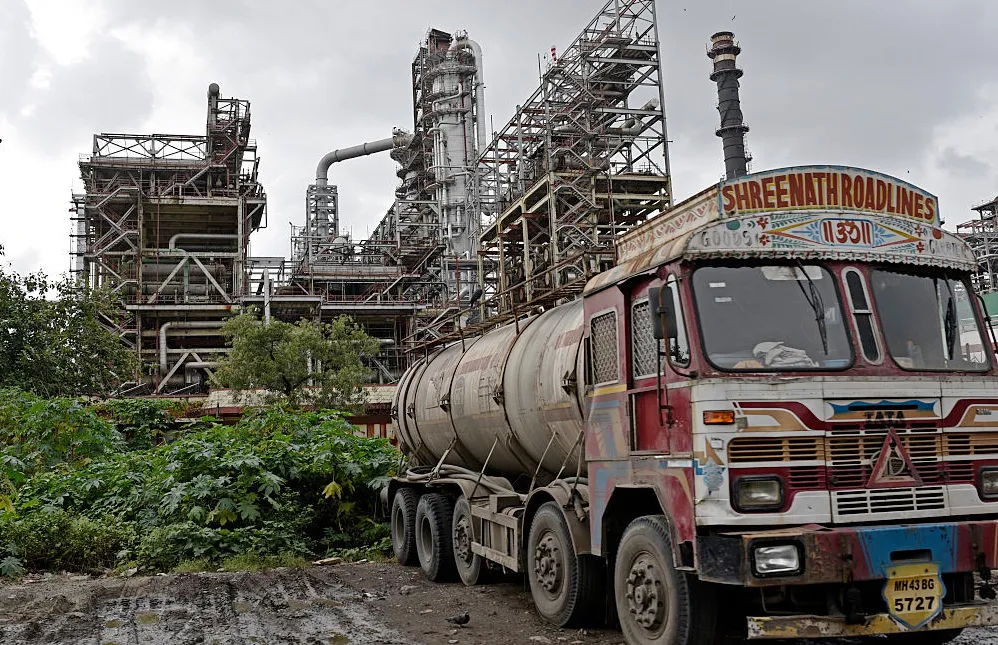
India, the world’s third-largest oil importer, sources over 80% from Russia and the Middle East combined. The Hormuz blockade severed Gulf supplies from Saudi Arabia, Iraq, and UAE, sparking a supply crunch. Refiners panicked, securing 20 million barrels of prompt Russian crude cargoes already at sea.
In early March 2026, the U.S. granted a 30-day exemption for India to buy stranded Russian oil, despite prior sanctions. This pragmatic move prevented oil rerouting to China and eased price spikes during the war. Russia’s discounted Urals grade, comprising 77% of prior shipments, became India’s lifeline as Middle East flows halted.
By March 10, 2026, Russian shipments rebounded, with India importing €144 billion worth since Ukraine war’s start second only to China. Markets braced for shocks, with India’s import bill, inflation, and deficit at risk.
Policy Reversal and Contradictions
Trump’s anti-Russia stance clashed with his Iran war, forcing India back to Moscow despite Modi’s earlier assurances. U.S. exemptions undermined six months of tariff pressure, including 50% duties on Indian goods. Critics noted the irony: U.S. actions created the very dependency Trump fought.
Russia circumvented sanctions to sustain flows, while India’s contingency plans favored ramping up Russian buys over riskier alternatives like West Africa. Trump eyed China next, but India’s pivot highlighted limits of unilateral pressure amid self-inflicted disruptions.
Global and Economic Ripples
Oil prices surged, with warnings of catastrophe as markets reacted to Trump’s “very soon” endgame promises versus Iran’s defiance. India’s shift bolstered Russia’s €210+ billion Ukraine war chest from Asian buyers. For Trump, balancing regime change in Iran, Ukraine leverage, and stable U.S. pumps grew complex.


